
Some of BC’s local governments are planning a class action lawsuit to recoup climate change costs for their communities.
Here’s why you should join them.
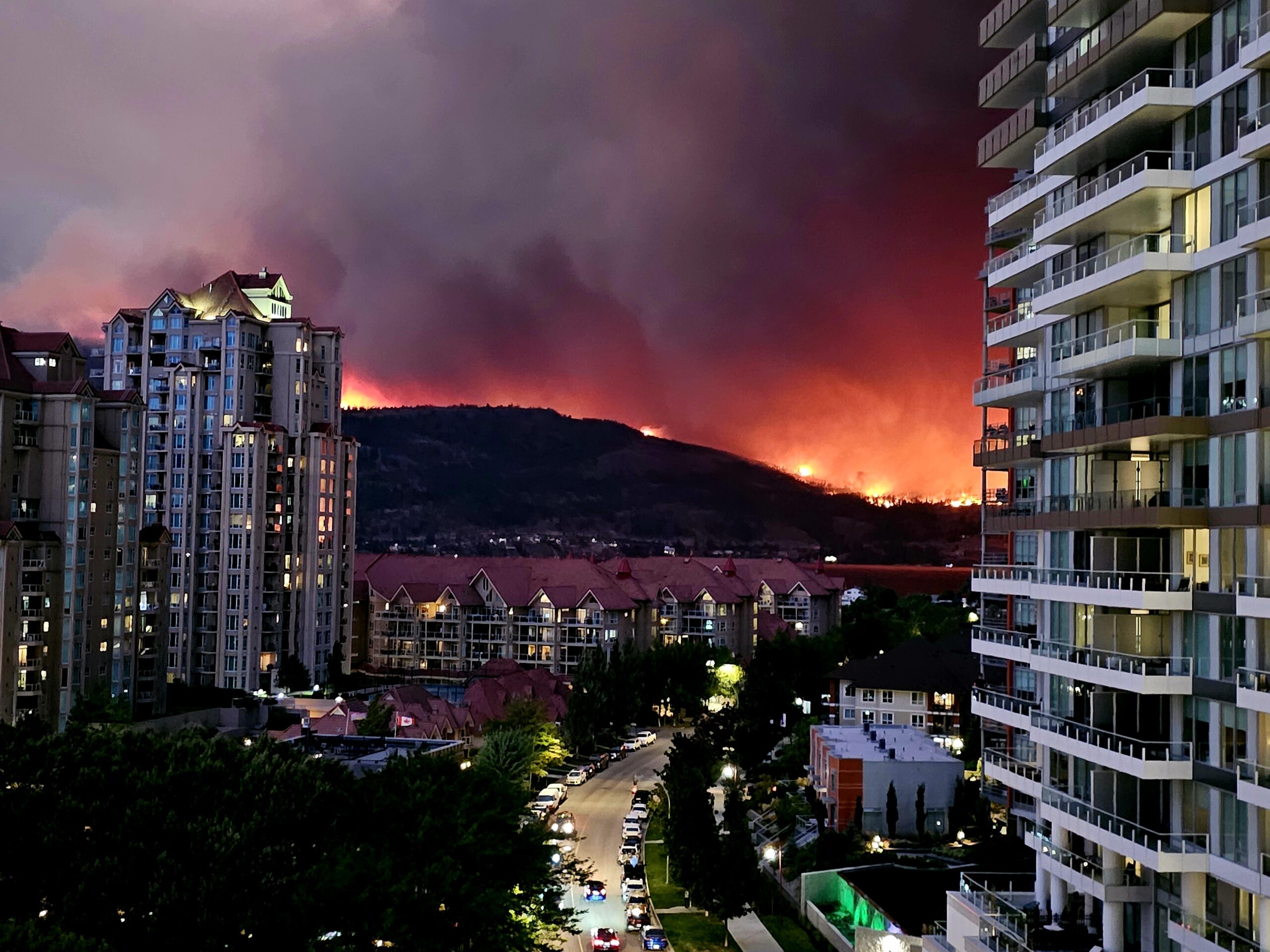
As a local government official, you are on the front lines of addressing climate change – and it is probably putting a strain on your budget. Your community’s climate costs may be clear and dramatic, due to wildfires, heat waves, drought, flooding, and other extreme weather events. Or they may be more subtle, in the form of incremental increases due to maintenance costs, operations, capacity needs, repairs and construction of municipal infrastructure and assets.
These costs are real, and will only increase as climate change worsens.
Local governments have a fiscal responsibility to recover some of these soaring costs. Our communities and taxpayers cannot afford the many millions, and in some cases, billions, of dollars that climate change is causing and will cause in the future.
Climate change is happening in large part because of the burning of fossil fuels. Fossil fuel companies have known for decades that their products would cause climate change but have continued to make billions of dollars in profit every day whilst blocking climate change policies and action.
These companies must be held accountable for the harms they’ve caused and pay a fair share of climate change costs. In fact, over 70 US cities and states have launched climate change lawsuits against fossil fuel companies, and 28 Canadian law professors have said that we can do the same here in BC.
By working with other BC local governments on a class action lawsuit, you can keep the costs manageable and avoid risks, while protecting your residents from having to pay 100% of the growing costs of climate change. It’s just good economics.
Here are some resources for BC local governments interested in learning more about how to join a class action lawsuit to recoup a share of climate costs from Big Oil: